A growing appetite for fermented foods has positioned Japanese cuisine as a prime opportunity for specialty food retailers in 2026, as UK shoppers increasingly value health, convenience, and tradition in their purchases. While the market already brims with products promising natural benefits, Japanese fermented ingredients distinguish themselves through centuries of refinement and gut-friendly properties.
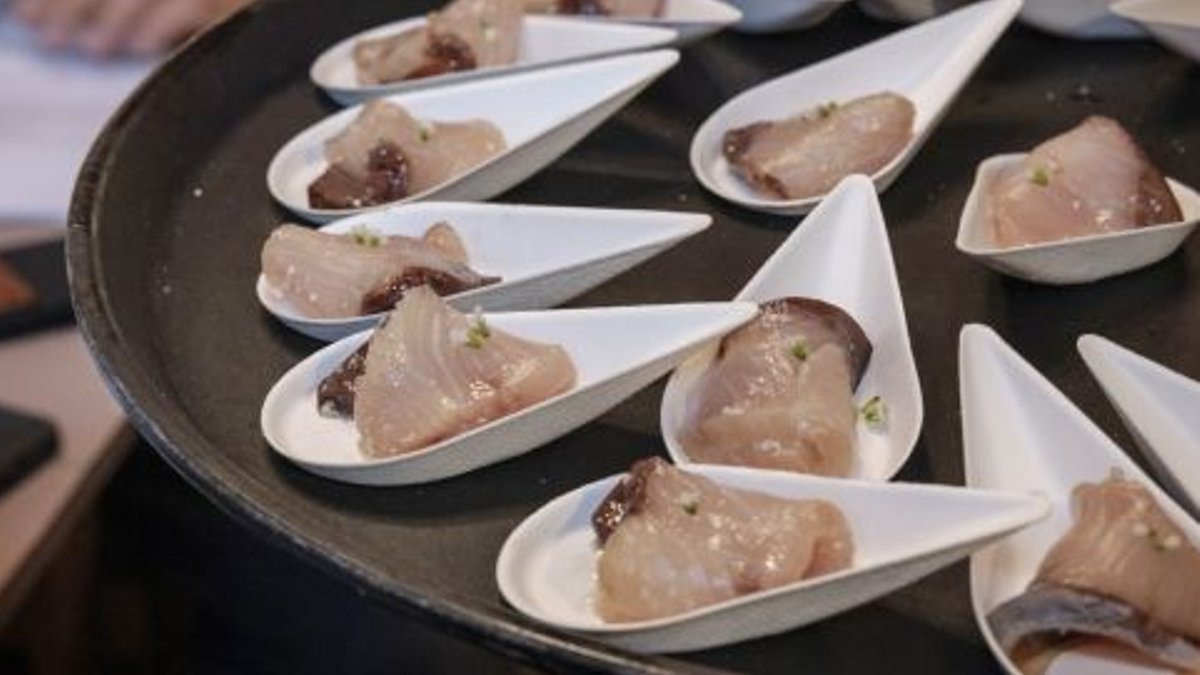
On October 12, the Japan External Trade Organisation (JETRO) organized a London showcase dedicated to Japanese fermented foods. The event featured demonstrations by cookbook author Kenji Morimoto and chef Akemi Yokoyama, drawing top chefs and industry professionals. Attendees sampled dishes incorporating natto, umeboshi, and shio-koji, observing how these ingredients delivered rich flavors while meeting British consumers’ demand for convenience and health-focused ingredients.
The event demonstrated how Japanese fermented foods could enhance everyday cooking. Red akazu combined with rice vinegar and chicken stock transformed simple dishes, while natto and iburigakko added umami depth to spaghetti. Versatility was evident in creations like miso whipped butter on sourdough and a miso sticky toffee pudding crepe cake, proving these ingredients worked across both sweet and savory applications.
Many Japanese fermented foods already have UK familiarity, but their full potential remains unexplored. Tamari, for instance, offers a wheat-free alternative to soy sauce, while miso exists in far more varieties than the white and red types most shoppers recognize. At the JETRO event, attendees tasted hatcho miso—known for its dark color and complex flavor—and yuzu miso, which had a marmalade-like sweetness. Other highlights included natto, a sticky fermented soybean with intense umami, and Iburigakko, smoked and rice bran-fermented daikon.
The foundation of these flavors lies in koji, a filamentous fungus essential to many Japanese fermented foods. It converts starches into sugars and breaks down proteins, creating the savory depth found in soy sauce, miso, and sake. Meanwhile, tsukemono, Japanese pickles, share similarities with European sauerkraut, while nukazuke involves fermenting vegetables in a mixture of rice bran, salt, and kombu.
Despite consumer interest, regulatory differences between UK and Japanese food standards create challenges for market entry. Companies like Clearspring have successfully addressed these hurdles, suggesting further growth is possible for retailers investing in authentic Japanese products.
Retailers can access Japanese fermented foods through an online catalog service which gives retailers access to 95,000 products and 11,700 Japanese suppliers across multiple sectors including food and drink, with the support of JETRO.
The event highlighted how Japanese fermented ingredients could simplify meal preparation for busy British cooks. Demonstrations showed Shio-koji, a tenderising and umami-enhancing seasoning, Umeboshi, salted and preserved plums with a sour and savoury bite, all of which presented an exciting flavour experience. Chefs emphasized that these ingredients delivered restaurant-quality depth while cutting preparation time, a key advantage for health-conscious home cooks.
Industry experts identified Katsuobushi as an exciting proposition for chefs and fine food retailers alike with its complex and savoury flavours, a result of skipjack tuna being boiled and repeatedly smoked then inoculated with Aspergillus glaucus mould until hard and rich in flavour.


