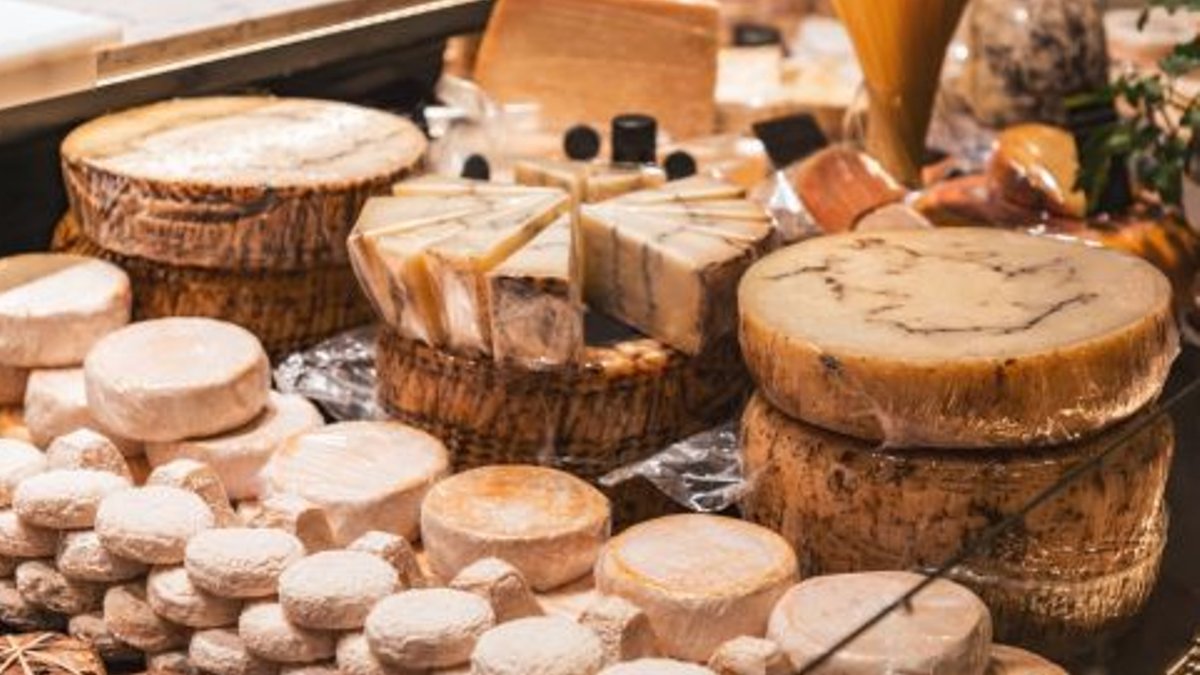
Europe’s EU cheese heritage stretches from Alpine huts to secluded abbeys, offering more than the familiar Brie, Gorgonzola or Manchego. Official records list over 300 varieties protected under PDO (Protected Designation of Origin) or PGI (Protected Geographical Indication) status, each tied to local tradition and strict quality rules.
Earlier this month, Speciality Food partnered with the EU’s “More Than Only Food & Drink” campaign to host a masterclass for retailers and hospitality operators. Patrick McGuigan, cheese writer and expert, guided participants through a tasting tour that covered eight different countries, showcasing lesser-known cheeses that could refresh product ranges.
Attendees described the session as a “fascinating voyage of discovery,” noting that the tasting highlighted why the continent is an “absolute powerhouse” for cheese production.
Quality and safety standards behind the label
All dairy farms in the union must be registered, giving each batch a unique ID that traces milk back to its source. This system ensures full supply-chain transparency and enforces strict animal-health controls. The registration process is key for maintaining the high standards of EU cheese production.
Centuries-old techniques are combined with modern regulations that forbid artificial additives and demand clear origin labeling, allowing consumers to verify the provenance of every wheel.
Related Post: Shoppers seek variety in Christmas party food
The EU’s sustainability plan aims to protect biodiversity, preserve native breeds and cut chemical use. By 2030, the bloc targets that 25% of agricultural land will be farmed organically, while many dairies adopt circular methods such as nitrogen recycling and optimized feed to lower methane emissions. This plan is a key part of the EU’s efforts to reduce its environmental impact.
These safeguards matter because they give shoppers confidence that the cheese they buy respects both the environment and animal welfare, aligning with growing consumer interest in “real” food that is traceable and responsibly produced.
One trend gaining traction is the use of girolle devices, which cut semi-hard cheeses into delicate, flower-shaped pieces that serve as eye-catching centrepieces. Retailers are renting or selling the slicers alongside suitable cheeses to create a modern visual appeal. The use of girolle devices is becoming more popular in stores and restaurants.
Pairings are going bigger, bolder and more unusual. Think fudge with blue cheese, or shiitake mushroom salad with a washed-rind cheese. Cheese layering is also on the rise; customers purchase a large Brie, hollow out its centre and insert a ripe Époisses PDO for a striking dip that combines creamy and pungent notes.
One of the highlighted cheeses is a raw, lactic set variety from Aveyron in France’s Midi-Pyrénées. Produced as a by-product of Roquefort, it uses leftover milk from Lacaune sheep grazing the Grands Causses pastures. The terrain contributes distinct plant compounds that give the cheese a delicate bloomy rind, velvety texture and buttery, earthy notes of wood, sweet hay and roast lamb. Patrick McGuigan described it as “quite musky and savoury but subtle and it keeps going, opening up the more you chew it.” Often spread on bread, this is a versatile cheese that taps into increasing UK demand for soft sheep and goats’ milk varieties.
Exploring lesser-known PDO treasures
Greece contributes a raw, soft spread made from goat or sheep milk that bears the Xigalo Siteias PDO designation since 2011. The cheese develops a tangy, slightly acidic profile after the milk sits for up to ten days, allowing natural curd formation. Its texture is described as fluffy, fresh and zingy, making it ideal for pairing with herbs, honey, crisp bread, watermelon or ripe tomatoes.
Related Post: UK Budget offers relief to independent food retailers
Spain showcases a striking magenta cheese that receives its hue from soaking in Monastrell wine sourced from the Jumilla, Yecla and Bullas regions. The product, known as Queso de Murcia al Vino PDO, uses pasteurised milk from the resilient Murciano-Granadina goat breed, which thrives in the country’s sparse, mountainous terrain. After a minimum aging of thirty days, the cheese may appear soft and lightly pressed or develop a firmer, crisp white interior beneath its pink-red rind.
Sweden’s emerging artisan sector offers the organic blue Sörmlands Ädel PGI, crafted from low-pasteurised whole cow’s milk. Shaped in a modest three-kilogram wheel, the cheese matures between five and twelve months, presenting a warm yellow surface mottled with walnut-brown and dark-grey veins. Its palate combines umami and caramel notes with aromas of sour cream, butter, woodlands and truffle, while tasting hints of toasted almond, digestive biscuit and white chocolate appear.
Lithuania’s Džiugas PGI, a pasteurised cow’s milk variety, arrives in four maturations ranging from twelve to forty-eight months. Summer milk from pasture-grazed cattle yields a smooth exterior, achieved by turning the wheels on rollers throughout the ageing process, which prevents rind formation. The cheese oscillates between sweet, smooth flavours and savoury, spicy, crystalline textures, making it suitable for both cheese boards and cooked dishes.
Belgium contributes Cabriolait, an organic raw goat’s milk cheese produced in East Flanders using traditional abbey techniques. The semi-soft wheel develops an orange-brown washed rind that protects a milder interior, where sweet, milky notes mingle with hints of brioche, toasted nut and a subtle acidity.
Emerging serving ideas and trends
Supermarket chillers now stock whipped feta alongside premium feta PDO options, enabling retailers to offer a spreadable alternative that pairs well with crackers, grilled artichokes, fruit, honey and nuts. The creamy texture invites quick assembly of snack plates that combine cheese with ready-to-eat accompaniments.


