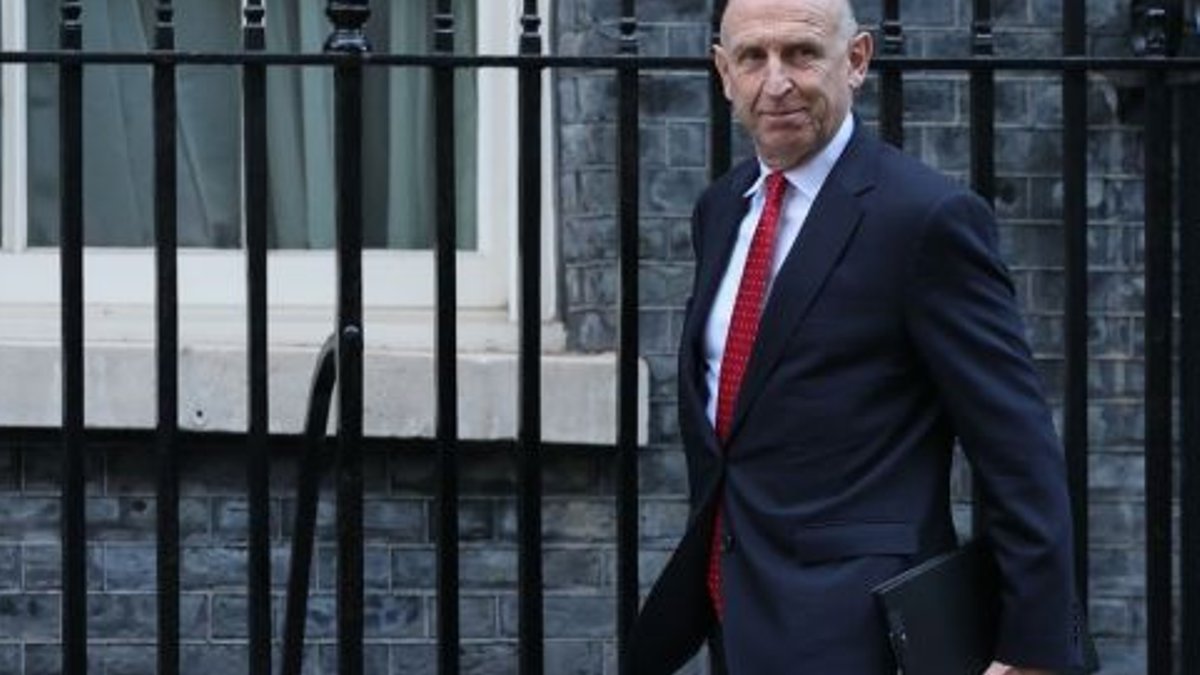
The UK Autumn Budget 2026 introduces several measures intended to lower costs for independent food and drink retailers. Chancellor John Healey announced changes to business rates and the elimination of import tariffs on specific products to help small businesses.
These changes affect farm shops and delis. Such enterprises often operate on thin margins and must decide whether to absorb costs or raise prices for their customers.
One significant change is the small business rate relief threshold. This will move from £12,000 to £18,000 in rateable value.
The government is also removing duties on up to 100 food items. British brewers and cider makers will receive £10 million in alcohol duty relief.
Lowering Costs Through Tariff Cuts
The goal of these tariff cuts is to reduce spending for households. These cuts follow adjustments made in June 2026.
The list of duty-free goods includes garlic and gherkins. It also covers citrus jams and marmalades, as well as plant-based drinks like soya, nut, cereal, or seed options.
Chocolate-coated waffles and wafers are included. Toffees and caramels also appear on the list.
Andrew Thurston, a senior manager at MHA, called the move welcome for importers. He cautioned that these cuts don’t always lead to lower prices at the checkout.
Certain goods already enter the country duty-free. Trade agreements often already provide preferential arrangements for some products.
Related Post: Panzani and Cerealis negotiate €1.8bn European food merger
Shifting the burden of relief toward import tariffs rather than direct subsidies reflects a strategy of targeting consumer prices over producer costs. Such a strategy often provides immediate, visible wins for shoppers but fails to fix the structural expenses that make local production expensive.
Business secretary Jonathan Reynolds told the BBC that the administration isn’t claiming this solves everything. When combined with summer changes to tuna and pasta, the move could save £500 million annually.
The government estimates these measures will cut yearly spending at the tills by £21. That breaks down to roughly 40p per week.
For small-scale shops, the actual benefit depends on their stock. It also depends on whether their suppliers pass those savings down the chain.
Pressure on Domestic Production
The Food and Drink Federation (FDF) warned that removing protections could hurt domestic manufacturers. Balwinder Dhoot, an FDF director, said that removing tariffs on finished imports might hit British jobs.
UK production costs are high compared to European neighbors. This is largely due to expensive energy.
Dhoot suggested the government should instead extend energy relief to the food and drink manufacturing sector.
Impact on Farmers and Suppliers
Other duty-free products now include cupboard staples like baked beans, boiled sweets, and fruit pastes. Tariffs on fertilisers are also gone to assist farmers.
Tom Bradshaw of the National Farmers’ Union delivered a disappointing verdict on the budget. He stated that farmers feel abandoned by the administration.
Bradshaw argued that the plan fails to link domestic food production to inflation. He also noted a failure to treat food security as national security. He claimed the Chancellor failed to give farm businesses the breathing space he had promised.
Related Post: Asheville’s food scene thrives on local ties
Hospitality and Long-Term Growth
Paul Askew, owner of The Art School and Barnacle, believes the hospitality industry is buckling under intense pressure. He supports reducing VAT to 10 percent.
This aligns with the #VATsTheProblem campaign to match European neighbors. He noted that the non-chain sector employs 100,000s of people and generates billions in taxable revenue each year. Askew argued that John Healey must make effective changes for small restaurants, pubs, bars, hotels, cafes, and food halls.
Closing a private hospitality business results in a loss of expertise and acumen. Such failures damage supply chains and reduce customer choice.
Askew noted that generic high street chains benefit when these businesses close. He explained that few people are now willing to launch new businesses from scratch due to the huge economic gamble.
He argues that this reality has been going on too long. The owner believes the industry needs to thrive rather than just struggle to survive to create meaningful opportunities and careers in hospitality.
Joe Nellis, head of economic research at MHA, described generating economic growth within current fiscal constraints as a formidable challenge. He expected a cautious approach to balance public spending and targeted tax increases.
He also anticipated selective support for households and businesses. Nellis noted the need to lay down foundations for long-term sustainable growth.
SMEs seek greater certainty and an environment that supports investment and competitive taxation. Nellis mentioned that Chancellor Healey has been keen to be a friend to entrepreneurs.
The researcher stated that the Chancellor must avoid a long-term growth plan that constrains demand. He concluded that the budget must be a meaningful step towards economic change rather than just shuffling deck chairs.


