A chef who has defined Asheville’s dining culture for decades describes the city’s restaurants as an interconnected system—one where chefs, farmers, and residents move fluidly between roles. This creates a food culture that balances tradition with innovation, even though locals sometimes underestimate its uniqueness.
Asheville’s standing does not depend on flashy promotions or viral trends. Instead, it grows from deep-rooted connections: the same farmers whose names appear on menus, the chefs who trained together at local schools, and the shared history that unites them. With a small population, the city might seem limited, but its food ecosystem thrives. More than a dozen farmers markets operate within city limits, and there are probably more than twice as many local farms within an hour’s drive. The link between farm and table is direct—when a menu lists “Evan’s greens,” it refers to a farmer whose face regulars recognize.
The city’s distinctiveness lies in how it merges influences without forcing a single identity. A Filipino restaurant like Neng Jr.’s or a Spanish tapas bar like Cúrate may serve global flavors, but the warmth and approach retain a Southern essence. It is not about inserting regional ingredients into every dish but recognizing that Asheville’s character shapes every aspect, from plating to service.
Outsiders may see this as a food lover’s utopia, but for locals, it often goes unnoticed. The evidence is clear: a Michelin Green Star for Luminosa’s hyper-local Italian cuisine, a James Beard Award-winning seafood counter at Good Hot Fish, and the enduring tradition of Rocky’s Hot Chicken Shack.
Read Also: Bogotá’s cafés champion Colombian specialty coffee
Key Restaurants Shaping Asheville’s Culinary Identity
Luminosa, located on the top floor of a Battery Park Avenue building, first captures attention through its design before the meal even begins. The space is bold yet unobtrusive, ensuring the menu takes center stage. Described as “hyper-local Italian,” its dishes rotate frequently—a choice that frustrates some regulars but guarantees variety. Service, however, remains deliberately old-school: deliberate, attentive, and personal. In a city where everyone knows one another, dining here still feels like a special occasion.
The restaurant’s Michelin recognition, earned in just two years, was no surprise. Even the wine list highlights regional producers while maintaining global refinement. What distinguishes Luminosa is its ability to blend intimacy with grandeur. On a weeknight, the 20-seat room feels like a private gathering; on weekends, the energy shifts without losing its core appeal.
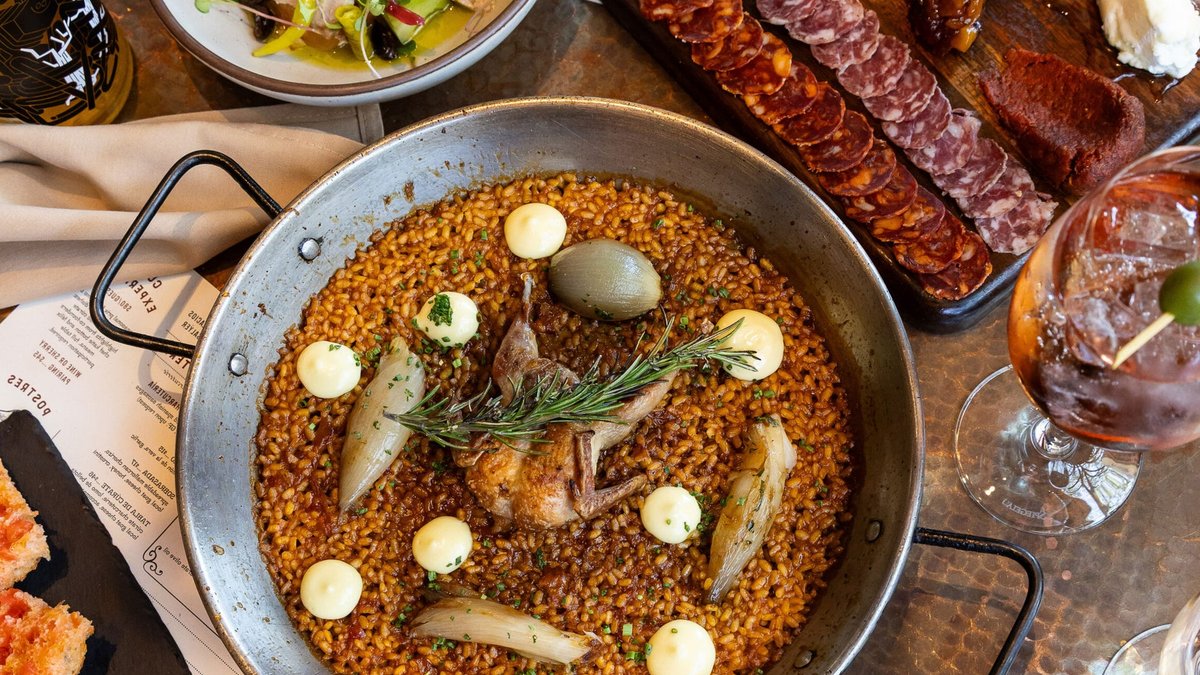
In contrast, Cúrate Bar de Tapas operates at a different rhythm. Its open kitchen keeps the atmosphere lively, and the jamón ibérico, a Spanish cured ham, arrives steaming at the table. Reservations are nearly impossible to secure, but the wait is justified, not only for the food but for the experience itself. Chef Katie Button has maintained an unwavering standard for years, a fact easily overlooked in a city where excellence is the norm.
The chef’s personal connection to Neng Jr.’s adds depth to Asheville’s food narrative. Named after the chef’s late father, the restaurant occupies a tiny space, just 12 seats, where Filipino flavors dominate. The menu resembles a tribute to street food: fermented shrimp paste, umami-rich sauces, and dishes that balance heat and sweetness in ways that feel both familiar and inventive. The chef, Silver Iocovozzi, previously collaborated with the writer at two other restaurants, and that influence is evident in the food’s technical precision and emotional resonance.
Read Also: U.S. food makers brace for rising costs
What makes Neng Jr.’s distinctly Asheville is not the cuisine but the setting. The restaurant feels like an intimate dinner party rather than a formal dining experience. The chef’s background in Indian and Italian restaurants informs the dishes, but the warmth comes from Appalachian hospitality, genuine, unfiltered, and welcoming. It is the kind of place where the chef might join guests at a table or treat a regular’s request like a family recipe.
Some of Asheville’s most celebrated restaurants resist easy classification. Leo’s House of Thirst began as a converted home, with no attempt to disguise its origins. Diners eat on the front porch, in the side yard, or in what was once the living room. The menu shifts between French classics and Southern comfort food, but the true appeal lies in the details: a grilled cheese sandwich with Parisian bistro quality or a wine list that has earned awards for depth without feeling elitist.
The Admiral carries the weight of its history. A decade ago, it was a dive bar in a cinder-block building known for gastropub food and late-night dancing. Today, the neighborhood has gentrified, but the restaurant has not. The food remains world-class, even if the setting retains its raw character. Reservations are difficult to secure, but the line moves quickly, a sign of Asheville’s food scene valuing quality over hype.


