The U.S. food and beverage manufacturing sector faces steep cost pressures, as the ISM Manufacturing PMI prices index reached 77.9% in September—the highest level in recent years. This spike stems from tariff costs, supply chain instability, and geopolitical disruptions, according to industry data. Despite strong overall manufacturing activity at 54.5% for the ninth consecutive month, companies report rising margin pressures. Tariffs contributed to 34% of price increases, geopolitical instability accounted for 30%, and pricing volatility was cited by 46% of respondents. While new orders (55.3%) and production (56.7%) remained robust, backlogs at 56.4% indicate potential capacity constraints in some areas. The data confirms that operational expenses are climbing faster than revenue for many firms.
Major food manufacturers are adopting structural cost-cutting measures instead of raising prices. Constellation Brands has already achieved $600 million in savings since 2023 through procurement and logistics improvements, with an additional $200 million in savings targeted by 2028. General Mills aims for $1 billion in savings by 2030, though its freight costs surged 40% year-over-year—even though spot rates represented only 7% of total shipping expenses. Nestlé is streamlining product variations and consolidating distributors in China, prioritizing supply chain efficiency over sales growth. These strategies reflect a broader industry shift toward operational discipline over revenue expansion in a high-cost environment. For now, margin compression remains manageable, but the trend suggests prolonged expense controls will define the sector.
Hormel bets big on chicken growth
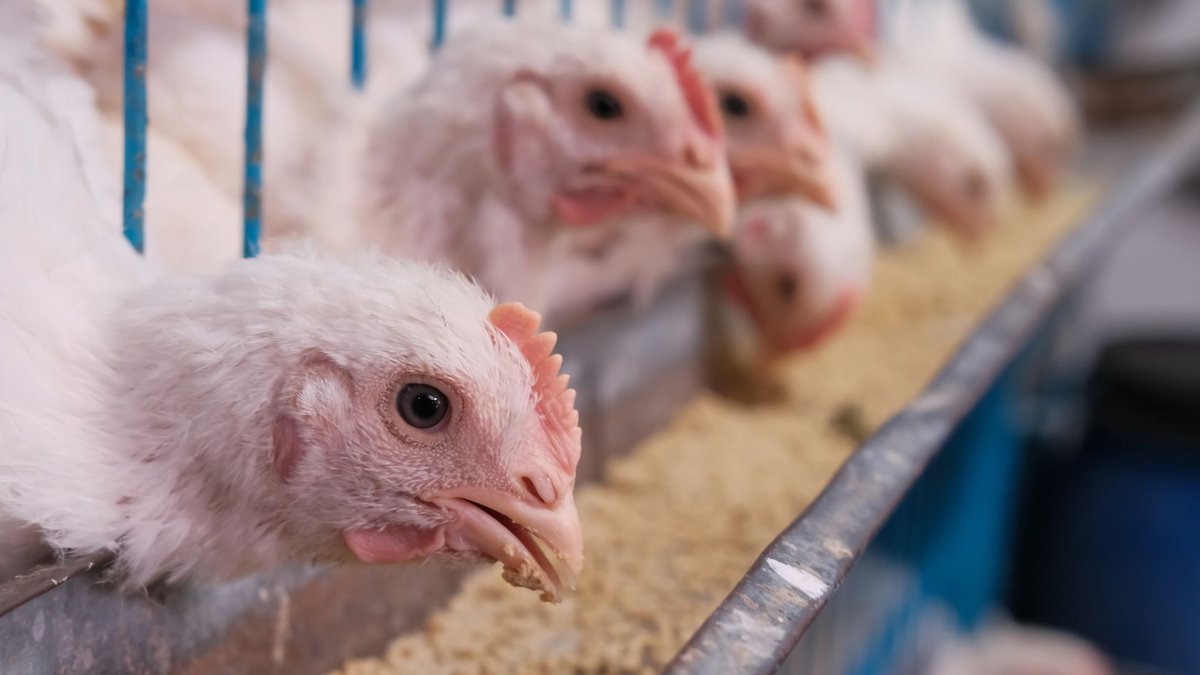
Hormel Foods is expanding its chicken production capacity with a $1.055 billion acquisition of Brakebush Brothers, a Wisconsin-based processor generating $1.2 billion in annual sales. The deal, expected to close in Q1 2027, adds five production facilities and two research and development labs to Hormel’s operations. Incoming CEO John Ghingo has identified chicken as one of the “most attractive growth categories in protein,” aligning with rising consumer demand for poultry over other meats. The acquisition strengthens Hormel’s foodservice platform at a time when chicken consumption is outpacing beef and pork.
This move follows a wave of large-scale industry consolidation. Mars acquired Kellanova for $36 billion, increasing its snack market share from 4% to 6%. Keurig Dr Pepper bought JDE Peet’s for $18 billion, tripling its coffee operations. McCormick is merging with Unilever Foods in a $15.7 billion deal set to finalize by mid-2027. These transactions indicate accelerating consolidation, with companies leveraging scale to offset rising costs. The trend suggests that operational efficiency and market share expansion are becoming critical priorities for survival in the current economic climate.
California’s ultra-processed food label sparks uncertainty
California’s new non-ultra-processed food labeling law introduces further complexity for manufacturers. Signed on September 28, AB 2244 establishes a state-run certification program allowing brands to label products as “non-ultra-processed.” However, without a federal definition of ultra-processed foods, compliance risks remain uncertain. The California Department of Health will oversee the program, with certification agents required by June 2029. Companies with reformulation flexibility now have approximately 2.5 years to adjust, though the lack of federal alignment may create operational challenges.
Consumer confidence in food safety has reached a nine-month low of 31% in August, according to survey data. A study by the University of Illinois and Purdue University found that 49% of adults altered their grocery purchases in the prior month due to concerns about foodborne illness. The FDA’s traceability rule, which requires lot-level records for high-risk foods within 24 hours, will not take effect until July 2028. Meanwhile, the USDA withdrew its Salmonella framework for raw chicken and turkey in April 2025. While no outbreak has been directly linked to these regulatory changes, the trend raises questions about consistency in food safety oversight and retailer accountability during a period of heightened consumer scrutiny.


