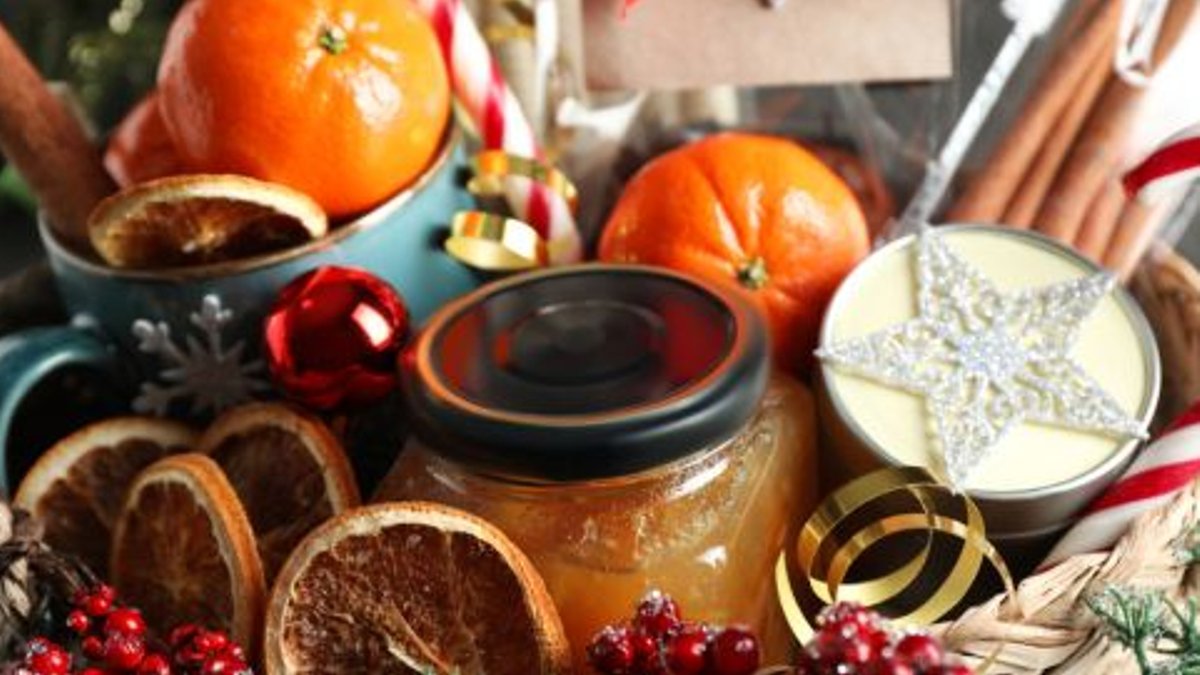
This holiday season, edible treats are emerging as a popular gift choice, driven by shoppers seeking unique and shareable presents. As Christmas approaches, the aromas of cloves, nutmeg, and cinnamon fill the air, accompanied by the warm scent of mulled wine and freshly baked mince pies. With lavish cheeseboards and other festive foods, consumers are increasingly opting for consumable gifts, marking a significant shift in holiday purchasing habits.
Gifting as an occasion
The holiday season has seen a dramatic 81% surge in purchases of food and drink gifts since 2022, as consumers seek meaningful presents without exceeding their budgets. Despite economic pressures, shoppers remain eager to spend during Christmas, with Mintel data showing average expenditure increasing from £357 in 2024 to £374 in 2025. For small businesses, this shift presents a valuable chance to meet demand—particularly if they offer items designed to spark memorable moments once opened.
Michelle Murphy Niedziela, a neuroscientist specialising in consumer behaviour and founder of Nerdoscientist, has dedicated years to exploring why people select certain gifts. She highlights that food presents offer something unique compared to other products—they create shared experiences. ‘A food gift serves as both a tangible item and a catalyst for social interaction,’ she notes. ‘It’s not just about the product itself, but the opportunity it provides—like uncorking a bottle, assembling a charcuterie board, or enjoying a taste together while discussing it.’
Breaking bread can literally create stronger social bonds. Research published in the Adaptive Human Behavior and Physiology suggests that those who eat together socially tend to feel happier, more satisfied with their life, and more engaged with others than people who don’t. With that in mind, a delicious gift that can be shared has the power to connect groups. Of course, there’s a difference between a product intended for solo consumption and a shareable treat. The first shows the giver knows the recipient well. It may be personalised, or chosen because it speaks to their taste specifically. The second is about creating closeness, whether that’s through opening a bottle after dinner or passing around a box of chocolates.
Niedziela says it’s the retailers who understand this that do well. “Don’t just market the product, market the occasion that the product enables,” she advises. Buying a gift, in her experience, brings its own decision fatigue. People wonder whether a present is appropriate, whether it looks generous enough, and if the recipient already has it. “Food gifts can then reduce some of that uncertainty better than a more durable product because they are consumable and can be a trigger to an occasion,” she adds, saying retailers should keep that in mind when stocking up.
That logic should follow through in the way staff interact with customers, too. Rather than focusing on how much a customer wants to spend, Niedziela suggests asking whether the gift is for the recipient to enjoy alone or share. Questions like that mean you can pinpoint what she calls the ‘behavioural job’ of the gift, helping staff point the customer towards the right fit.
Related Post: Europe’s shoppers increasingly read food labels
Leaning into provenance
Research from Mintel predicts that by 2026 retailers who lean into storytelling, personalised experiences and inspiration-led store layouts will be best placed to win over festive shoppers. At Starmore Boss, the Sheffield wine and spirits merchant, owner Jeff Boss understands this intrinsically, and has seen it play out in store. “Most of the bottles we stock have a history behind them, and customers want to invest in that when they buy a gift,” he explains. “We can talk about the winemaker, tell them we’ve visited the vineyard, or explain what the producer has overcome.”
Every member of staff at Starmore Boss has a hand in buying stock, which Boss says changes the kind of recommendation a customer actually gets. “It’s never just ‘here’s a bottle of whiskey.’ It’s ‘here’s a bottle from an exclusive distillery that does its own malting, or grows its own barley on the farm.’” That detail, he says, gives the gift a rather exceptional quality.
The shopper can share the product’s story with the recipient when handing it over. Boss has also noticed an intriguing change in customers’ buying habits in recent years. Five or six years ago, a 20cl bottle was the standard gifting size. However, he’s seen a rise in people opting for mini bottles and sampler packs rather than a single full-size spirit. He puts this down to shoppers looking to “get more value or more options for the same price”.
This year’s spending trends reveal a growing preference for affordable luxuries, altering how people approach holiday gifting. While higher-income earners still lead in expenditure, their spending dropped 1.7% annually. Conversely, those earning under £15,500 increased their outlays by nearly 5%, despite overall lower budgets.
Jon Broadhurst, co-owner of Cheese & Friends in Sheffield, has witnessed that happen firsthand in the festive season. “We’ve grown every year, and the biggest time of year for us as a cheese shop is Christmas, and Christmas is just going stronger and stronger,” he says. “I would say quite 20% of our business is buying the cheese or an accompaniment for cheese for somebody else as a gift, because it’s delicious, it’s nice, and it’s something that’s wholesome.” Vouchers and tasting events do particularly well as gifts, Broadhurst says. The shop has run 14 tasting events so far this year, with seven more scheduled, and at least a third of guests at each one have had their place bought for them.


