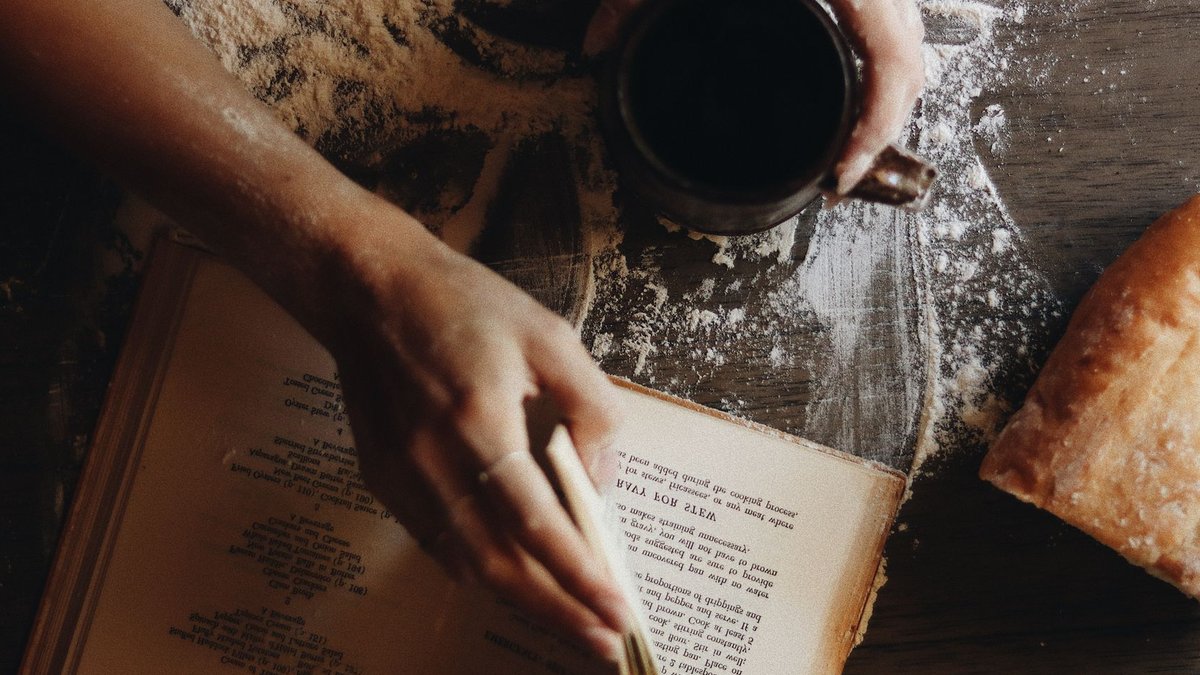
The fall cookbook season brings a rich blend of bold flavors and deep cultural roots, catering to home cooks with everything from high-end techniques to underrepresented culinary traditions. This year’s releases emphasize tradition, personal storytelling, and global perspectives—whether through a plant-based archive from Ghana, Indigenous food practices, or the fusion experiments of a New York chef originally from Taiwan.
A Record of Ghanaian Plant-Based Traditions
Afia Amoako’s debut cookbook, Eat With Afia, presents a meticulously researched collection of Ghanaian and West African recipes, many passed down through oral tradition. Over half of the more than 100 dishes reflect traditional methods, including jollof rice, okra stew, and roadside treats like ofam, a sweet plantain cake. The book also includes drinks such as iced Moringa milk tea, combining cultural heritage with practical techniques. Amoako’s established social media presence—with hundreds of thousands of followers—has already positioned her as a leading voice in plant-based African cuisine, and this cookbook further cements her role in connecting history with home cooking.
The recipes avoid modern reinterpretations, instead preserving techniques like slow-cooked stews and fermented grains. A dedicated chapter explores roadside snacks, capturing the informal dining culture of West Africa. The book’s design complements its content, featuring vivid photographs, handwritten notes, and clear instructions. For those seeking authenticity, this work functions more as a culinary ethnography than a standard recipe collection.
Northern Italian Winds and Indigenous Stewardship
The book organizes recipes by geography—coastal, mountain, and valley—highlighting ingredients such as buckwheat, hazelnuts, and hard cheeses over more conventional pasta and tomato-based dishes. Dishes like Ligurian rabbit stew and paste di meliga (polenta and lemon cookies) reflect the region’s rustic traditions, with location photography enhancing the immersive experience.
Enrique Salmón’s Kincentricity connects Indigenous foodways to environmental stewardship, framing ingredients like huckleberries and black walnuts as part of a broader ecological philosophy. As a Rarámuri scholar, Salmón treats the book as both a cookbook and an ethnography, explaining harvesting methods alongside recipes. The concept of kincentricity, the belief that all living beings are interconnected, forms the foundation of this approach, appealing to cooks who view cooking as an act of responsibility.
Fusion Experiments Meet Bronx Boldness
Kwame Onwuachi’s All Hours embodies his signature culinary mashups, blending Bronx comfort food with global techniques. Chapters like “Goddamn Veggie Sides” and “Holy Grail of the Bronx” (a reference to New York Chinese takeout) mirror the eclectic menus of his restaurants. Dishes such as Red Stew Chicken Parm and Drunken Noodles Alla Vodka push culinary boundaries, with Onwuachi’s narrative voice driving the presentation. The book’s energy matches his cooking style: unapologetic, flavor-driven, and deeply personal.
Eric Sze’s Taiwanese? takes a dual approach, dividing the book between traditional Taiwanese recipes and his New York-based fusion experiments. The first half covers classics like beef noodle soup, while the second introduces creations such as Mochi Gnocchi with Chili Oil Pumpkin Purée. Sze’s neon-toned photography and conversational tone create a sense of personal connection, even as the book experiments with modern methods. The title itself, a playful question, sets the stage for its dual focus: respect for heritage and excitement for innovation.
A Focus on Tradition and Technique in Fall’s Regional Cookbooks
This season’s cookbooks highlight regional specialties that blend deep cultural roots with modern accessibility. Essentially Basque by Ernesto’s chef Ryan Bartlow and Laurie Woolever presents rustic Basque dishes rooted in farm, fishing port, and cider house traditions, such as tortilla de patatas and callos de Madrileña. The book includes guides to Basque language, drinking culture, and travel, reinforcing its connection to place.
Tramontana: Northern Italian Recipes From Sea to Summit by Simon Bajada explores Liguria, Piedmont, and Aosta Valley, where the tramontana wind shapes both the environment and cuisine. Recipes like sage and anchovy fritters and Ligurian rabbit stew emphasize local ingredients, buckwheat, hazelnuts, and hard cheeses, over traditional pasta and tomato-based dishes. Photographs taken on location deepen the immersive experience.
Soups, Stews, and Stories of Shared Heritage
Alissa Timoshkina’s Lozhka offers a similarly grounded perspective, focusing on soups, stews, and dumplings from Eastern Europe. The title, a Russian word for spoon, hints at the book’s emphasis on comforting, communal meals. Timoshkina, founder of the #CookForUkraine campaign, weaves resilience narratives into recipes like Ukrainian borscht and Tatar chak-chak. The book’s organization by dish type rather than nationality reflects its borderless approach, prioritizing shared traditions over political divisions.
With releases spanning from September 10 to October 20, this fall’s cookbook season stands out for its diversity. The following sections explore additional titles that look into niche techniques and cultural intersections.
Cooking Thai: Heritage and Modern Recipes From My Kitchen Notebooks, a collaboration between Pim Techamuanvivit and Andrea Nguyen, organizes recipes by cooking methods, grilling, roasting, simmering, stir-frying, and deep-frying, rather than by dish type. This structure reflects the adaptability of Thai cuisine. Techamuanvivit, formerly a Michelin-starred chef, emphasizes flavor balance, using ingredients like lemongrass, galangal, and kaffir lime leaf in dishes such as tom kha gai (coconut chicken soup) and pad thai. Nguyen’s contributions include simplified versions, like a quicker tom yum simmering time, ensuring home cooks can achieve restaurant-quality results without excessive effort.
The book addresses ingredient accessibility, noting that many Thai staples, chilies, fish sauce, and rice noodles, are now widely available outside Asia. Later chapters focus on desserts, including mango sticky rice and kanom chai (coconut-rice pancakes), where sweetness is balanced with tart elements like tamarind or lime. A recurring theme is the interplay between tradition and innovation, with some recipes, such as massaman curry, remaining true to their origins, while others, like a green curry with jackfruit, highlight plant-based adaptations. The authors avoid rigid instructions, instead presenting each dish as a framework for experimentation, aligning with Thai home cooking’s improvisational nature.
Border Cuisine Redefines Tex-Mex Stereotypes
Foods of La Frontera by Pati Jinich examines the borderlands between Mexico and the U.S., challenging stereotypes about Tex-Mex cuisine. Jinich’s recipes, such as smashburger tacos with poblano peppers and skirt steak with chipotle crema, draw from both sides of the border, incorporating ingredients like epazote, hoja santa, and queso fresco. The book interweaves personal stories, like her grandmother’s sopa de fideo (vermicelli noodle soup), with historical context, including the role of chiles in pre-Columbian diets.
Jinich’s writing frames the border as a cultural crossroads, not a divide, with dishes like seafood fried rice with asparagus and mushrooms reflecting the fusion of coastal Mexican and Southern U.S. traditions. A recurring motif is the use of nixtamalized corn, central to both tortillas and pozole, as a unifying element across recipes.
Dona Murad’s Librae: Third-Culture Recipes From a Cult New York Bakery merges SWANA and Danish baking techniques. The book features pastries like rose and pistachio croissants and za’atar and labneh morning buns, each accompanied by step-by-step photographs to guide home bakers through methods like lamination. Murad’s approach is inclusive, offering adjustments for dietary restrictions, such as a gluten-free baklava, while preserving the bakery’s signature flavors. The design mirrors its content, combining lively visuals with the idea of food as a cultural bridge. A section on sweet breads includes loomi and lemon curd babka, reflecting Murad’s Bahraini heritage, alongside cardamom buns inspired by her Danish background.
Closing the season, The Five Tastes: Delicious Recipes for Chinese Flavor by Fuchsia Dunlop breaks down Chinese cooking into its five foundational tastes: sweet, sour, salty, bitter, and pungent. Dunlop encourages home cooks to apply these principles to everyday ingredients, offering recipes like garlic scallion oil (salty and pungent) or braised pork belly with hoisin (sweet and salty). The structure is flexible, with chapters dedicated to each taste, but Dunlop avoids rigid rules, presenting the concepts as tools for experimentation.
A standout dish is stir-fried greens with fermented black beans (sour and salty), demonstrating how a single ingredient can anchor multiple flavors. The book’s illustrations depict the five tastes in abstract forms, reinforcing Dunlop’s message: Chinese cooking is about harmony and balance, not strict adherence. The final recipe, spiced tea with ginger and orange (sweet and pungent), highlights how even simple preparations can embody complexity.


