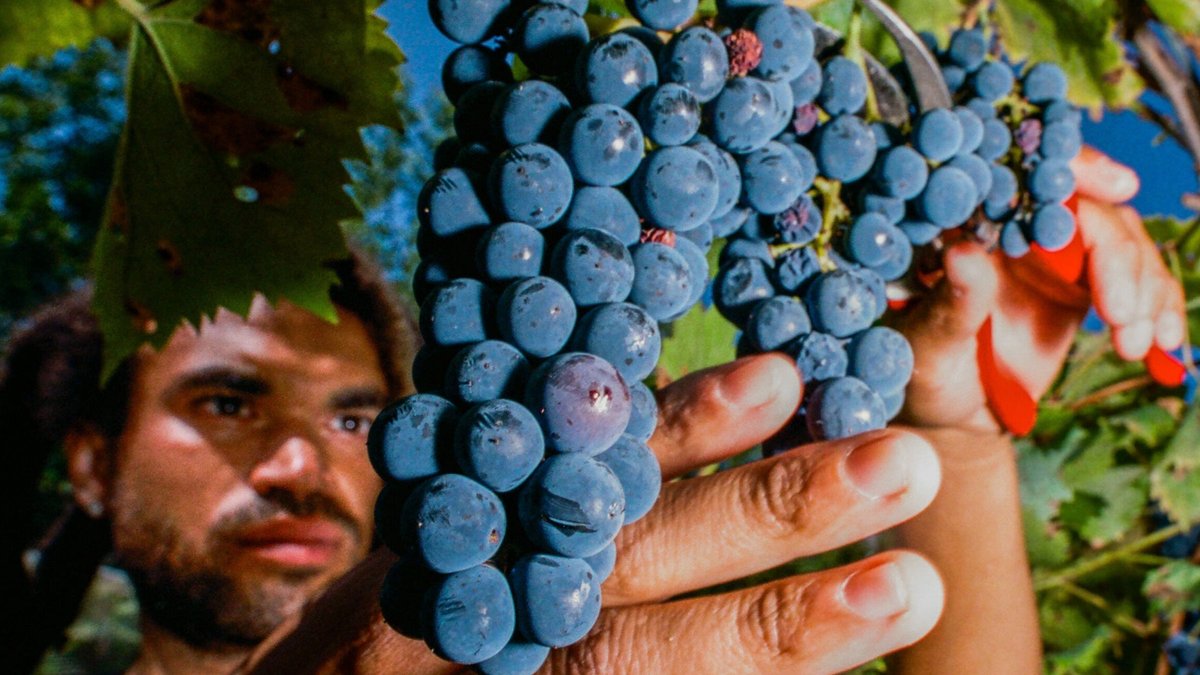
The summer thunderstorm that rolled across southern New Hampshire last August was a textbook example of the volatility NOK Vino faces every growing season. Winds gusting near 40 miles per hour dropped temperatures by 20 degrees, then dumped nearly an inch of rain in minutes. For founder Nicholas Kimberly, the timing was critical—the nearly ripe grapes were on the verge of harvest when the deluge hit, risking split fruit and spoilage. The next morning, the vines at Mermaid Hill Vineyard showed signs of stress, but the forecast promised recovery, allowing for a salvageable harvest.
New Hampshire’s climate, marked by harsh winters and humid summers, defies traditional viticulture. The state’s highest peak, Mount Washington, holds the record for the strongest wind gust in the Western Hemisphere at 231 mph, while temperatures frequently plunge below minus 10 degrees in winter. Summers bring scourges like downy mildew and black rot, making it a challenging environment for wine grapes. That’s why NOK Vino relies on hybrid varieties bred to withstand cold, resist disease, and thrive in marginal soils.
Hybrid Grapes Defy Traditional Viticulture
Most wines globally use Vitis vinifera, the European grape species. NOK’s hybrids are crosses between V. vinifera and native North American species, bred for resilience. Critics once dismissed these wines for their unusual flavors—tropical fruit, medicinal notes, or the “foxy” aroma linked to Vitis labrusca. Kimberly rejects the term as elitist jargon, arguing it dismisses native grapes as less noble. “It’s just another word for musk,” says business partner Ryan Williams. “Plenty of people like that.”
Hybrid grapes are not new to American wine. Thomas Jefferson failed to grow V. vinifera at Monticello, but by the 1800s, Nicholas Longworth was crafting sparkling wine from Catawra, a V. labrusca hybrid, in North Carolina. His success inspired poets and drew attention from California and London. Later, Texan horticulturist Thomas Volney Munson developed dozens of hybrids, whose rootstocks saved European vineyards after phylloxera devastated them in the 1800s. The French honored him with the Legion of Honor, recognizing his role in preserving global winemaking.
Post-Prohibition Hybrid Wine Renaissance
Prohibition ended acceptance of North American grapes in quality winemaking. When the U.S. wine industry revived, producers fetishized European styles, smuggling in “suitcase clones” from France. Hybrids were relegated to cheap jug wines, often diluted with sugar. Today, a renaissance is underway, driven by climate change and natural wine movements. Deirdre Heekin’s Domaine La Garagista in Vermont pioneered this shift in 2007 with meticulous, low-intervention techniques. Her wines, made from hybrids, redefined what Vermont wine could achieve.
Kimberly discovered Heekin’s work while working at a Burlington wine bar. “I opened it by myself on a weeknight because I was like, ‘Vermont wine? Whatever,’” he recalls. “Then, all of a sudden, I had this psychedelic experience.” He apprenticed at La Garagista for two years, learning to improvise with hybrid grapes. “We’re tiny, so you can see all the elements, not just one piece.”
Hands-On Production Methods
NOK Vino’s production reflects this hands-on approach. The wines—effervescent cider-wine coferments, savory skin-contact whites, and intense reds—are made using farmhouse techniques: spontaneous fermentation, neutral vessels, and foot stomping. Kimberly employs semi-carbonic maceration, allowing whole clusters to ferment alongside crushed grapes, creating fruity, structured wines. These methods align with the preferences of distributors like Zev Rovine, who notes that hybrid wines “ultimately do what great wines are supposed to: complement good food and connect you to the place and people behind them.”
NOK’s wines have found a foothold in high-end venues like Bridges, a Michelin-starred New York restaurant. Sommelier Oniyx Acosta appreciates how hybrids complement the menu’s global influences, though some guests need guidance. “Most of the time, people are receptive,” Acosta says. In New Hampshire, Kimberly and Williams live in a 19th-century farmhouse near Mount Washington, where days are long and unpredictable. Their operation, powered by family-style meals and shared labor, reflects a commitment to building a new wine culture from scratch. “If you believe terroir is a thing,” Kimberly says, “then it should apply anywhere in the world.”
The Roots of Hybrid Resilience
Hybrid grapes became vital during Europe’s 1800s phylloxera crisis. Thomas Volney Munson’s rootstocks saved vineyards by grafting European vines onto North American varieties. These rootstocks remain central to European wines today, though their flavor profiles stayed intact through grafting.
Read Also: Saigon coffee scene blends tradition with innovation
Prohibition’s end reinforced European wine dominance in America. Post-1933, vintners prioritized French and Italian styles, importing “suitcase clones” to replicate Old World prestige. Their reputation suffered as critics dismissed their distinctive flavors as inferior.
Native Grape Origins and Viking Connections
NOK Vino’s wines defy conventional comparisons, often evoking distinct regional styles. For instance, River Rose, blending Frontenac gris and La Crescent, mirrors the character of Sicilian orange wines, while Solidago, a white blend, suggests the yeasty complexity of Jura’s vins jaunes. These offerings frequently combine lively, kombucha-like aromas with precise mineral profiles, creating a unique sensory experience that transcends typical hybrid wine stereotypes.
While Vikings are not known for honest place-names, North America’s native grapes may trace back to their exploration. Indigenous peoples of the Americas fermented alcoholic beverages, yet the first wine from American grapes likely emerged through European colonists. Thomas Jefferson’s struggles with V. vinifera at Monticello contrast with Nicholas Longworth’s success in North Carolina, where he crafted sparkling wine from Catawba, a hybrid of V. labrusca and V. vinifera. Longworth’s acclaimed creations inspired widespread admiration, even reaching California and London.
Further advancements came from Texan horticulturist Thomas Volney Munson, who developed numerous hybrids suited to North American climates. His work proved vital during the phylloxera crisis, as European vineyards relied on grafting V. vinifera onto Munson’s resilient rootstocks. His contributions earned the French Legion of Honor, cementing his legacy in global winemaking history.
Natural Wine Movement’s Adopt of Hybrids
Her organic, low-intervention methods transformed hybrids into artisanal treasures. Wine bar owner Nicholas Kimberly discovered Heekin’s work, describing an unexpected “psychedelic experience” that sparked his passion for native grapes. Apprenticing for two years, Kimberly learned to adapt traditional techniques to hybrid viticulture’s unique challenges.
Today’s natural wine enthusiasts celebrate hybrids’ unpredictable character, moving away from rigid “correct” standards. Their appreciation for funk and wild flavors aligns with hybrids’ “cartoonish” profiles, tropical notes, musk, and gummy bear hints. NOK Vino’s wines reflect this ethos, producing effervescent cider-wine blends and mineral-driven whites that defy conventional categories.
In New York City, Bridges restaurant highlights hybrids’ versatility with global cuisine. Sommelier Oniyx Acosta notes their ability to complement diverse dishes, though some guests require education. The wines’ distinct terroir, expressed through spontaneous fermentation and foot stomping, connects drinkers to New Hampshire’s challenging terrain.
Kimberly and Williams operate from a 19th-century farmhouse near Mount Washington, relying on communal meals and manual labor. Their latest facility in Hooksett features a tasting room styled after 1970s Japanese listening bars. Amid drought, frost, and bird pressure, each vintage demands calculated risks. The current harvest balances early picking against storm threats, ensuring wines reflect the region’s unpredictable terroir.


