Saigon is where Vietnam’s coffee culture reaches its most concentrated form. The country now ranks as the world’s second-largest coffee producer, yet its café traditions are far younger than its beans. Coffee arrived in the mid-1800s, brought by French missionaries, and only took hold in the Central Highlands. It wasn’t until the late 1980s, after economic reforms, that Vietnam became the global coffee powerhouse it is today. Yet beyond production, the city’s drink culture reflects layers of history—from colonial influences to regional adaptations and a new wave of specialty coffee.
Robusta Roots and Iconic Iced Coffee
The foundation of Vietnamese coffee lies in robusta, a bold, chocolaty bean best suited to the phin, a single-serve metal filter that drips concentrated coffee into a glass. When sweetened condensed milk and ice are added, the result is cà phê sữa đá, the country’s most iconic drink: bitter, sweet, and cold. But Saigon puts its own spin on it with bạc xỉu, a lighter, milk-heavy version that reverses the coffee-to-milk ratio.
Beyond these staples, Saigon’s coffee scene reflects Vietnam’s regional diversity. In the north, cà phê trứng (egg coffee) originated in Hanoi in 1946, when a bartender whipped egg yolks with sugar and condensed milk to stretch supplies during shortages. The result is a creamy, custard-like drink layered over strong coffee. Meanwhile, central Vietnam’s cà phê muối (salt coffee) balances bitterness with a pinch of salt, a technique that aligns with Hue’s refined culinary traditions. Even the brewing method varies: in Saigon’s Chinatown, cà phê vợt uses a cloth “sock” filter, a method nearly lost to time but preserved at a few family-run shops.
New Wave: Arabica & Creative Brews
What distinguishes Saigon today is how it merges tradition with innovation. While chains like Highlands Coffee keep cà phê sữa đá widely available—its dark, unapologetic robusta remains a staple across Vietnam—newer cafés are expanding the local palette.
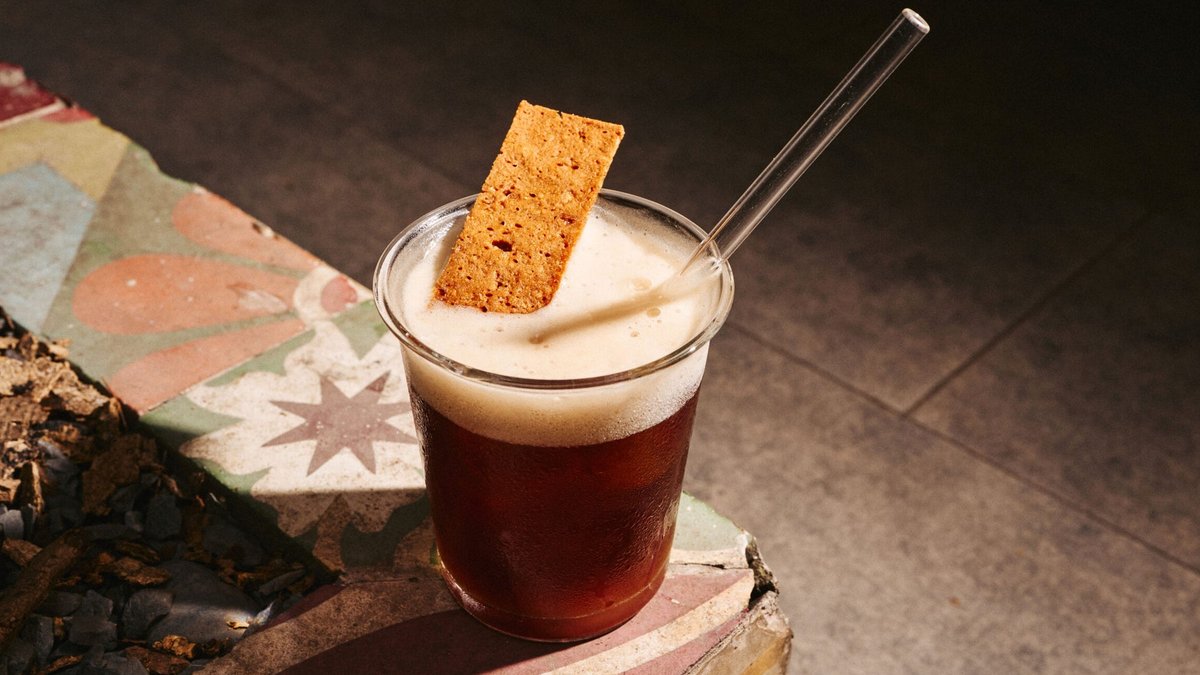
The evolution isn’t limited to beans or brewing methods. It’s about how Saigon’s cafés reinterpret local flavors. At The Hummingbird Café & Roastery, tamarind, a staple of Vietnamese street drinks, meets Ethiopian cold brew, topped with a foam made from the same sour-sweet pulp. Meanwhile, Hoff Specialty Coffee layers yogurt over robusta, a fusion that reflects Vietnam’s long-standing appreciation for tangy dairy. These drinks prove that coffee here is as much about culture as it is about caffeine.
Preserving Heritage: Cloth-Filter Coffee
Some traditions, however, endure in quiet corners. The current owner, Mrs. Tuyết, began helping her parents at age seven and now runs the business with her children.
The city’s coffee culture thrives in both historic corners and modern spaces. At Lacàph Coffee Bar, bạc xỉu takes center stage, served through microfilter phins with premium Vietnamese beans. The design-forward café contrasts with older shops, yet the drink retains its origins, diluted condensed milk with a splash of coffee, now refined with fresh milk for added creaminess. Meanwhile, Little Hanoi brings Hanoi’s cà phê trứng to Saigon, where the whipped egg yolk mixture is spooned over concentrated coffee. The result is a custardy, dessert-like texture that balances the drink’s bitterness, a legacy from a 1946 shortage-era innovation.
For those seeking regional flavors, Hue Cafe Roastery serves cà phê muối, a drink tied to Hue’s imperial traditions. Unlike whipped cream versions, this café blends salt directly into the coffee and condensed milk, creating a subtly balanced sip that mirrors central Vietnam’s refined cuisine.
Experimental Flavors Redefine Saigon Coffee
Beyond tradition, Saigon’s specialty cafés are redefining Vietnamese coffee. Sipply Coffee focuses on arabica from high-altitude regions like Măng Đen and Sơn La, offering pour-overs with notes of tropical fruit or honey, a sharp contrast to robusta’s boldness. Their Triple Citrus, a cold brew with kombucha and citrus, reflects the city’s openness to experimental flavors. Nearby, Every Half Coffee Roasters experiments with arabica, robusta, and even liberica, pushing boundaries with drinks like cold-brew citrus punch, which blends coffee with pineapple and lemon juice.
The Hummingbird Café & Roastery blends local and global influences by pairing Ethiopian cold brew with tamarind foam, a nod to Vietnam’s beloved đá me street drink. The tamarind’s sour-sweet profile complements the coffee’s depth, while toasted peanuts add texture. The café’s approach shows that innovation in Saigon involves layering new techniques with existing traditions.
At Hoff Specialty Coffee, yogurt, a French loanword still called yaourt in Vietnam, meets robusta in a contemporary twist. The drink layers locally grown Lâm Hà coffee over yogurt and tops it with toasted coconut, balancing tartness and bitterness. This fusion highlights how colonial and local traditions continue to intertwine in the city’s café scene.


