Champagne wine: exploring its unique characteristics
Among all sparkling wines, one beverage consistently captures the imagination and symbolizes celebration: Champagne. This iconic drink, originating from a specific region in France, holds a unique place in the hearts of wine lovers worldwide. We embark on an in-depth journey into the realm of <strong>champagne wine, exploring</strong> its distinctive characteristics, from its geographical origins and meticulous production methods to the diverse styles it offers, ensuring a comprehensive understanding for any enthusiast.
The allure of Champagne extends beyond its effervescence; it embodies centuries of tradition, unparalleled craftsmanship, and an unwavering commitment to quality. What truly sets it apart is a combination of factors that, when meticulously executed, culminate in a beverage of remarkable complexity and elegance. Understanding these elements unlocks the secrets behind its global prestige and why it remains a benchmark for sparkling wines.
The essence of Champagne’s identity
The name “Champagne” itself is a guarantee of origin and quality, legally protected and recognized across the globe. This exclusivity is a cornerstone of its identity, ensuring that only wines produced under stringent regulations within a defined geographical area can bear this esteemed title.
A protected designation of origin
Champagne is not merely a style of wine; it is a sparkling wine produced exclusively in the Champagne region of Northeast France. This region, situated east of Paris, benefits from a unique combination of climate and soil that is instrumental in shaping the grapes’ character. The cool climate, coupled with a specific chalky subsoil, creates an ideal environment for cultivating grapes with the necessary acidity and minerality essential for world-class sparkling wine.
The noble grape varieties
While many wines are made from a single grape, Champagne typically derives its complexity from a blend of three principal grape varieties. Each contributes distinct qualities to the final cuvée, creating a harmonious balance that is the hallmark of the region.
- Chardonnay: A white grape, it imparts freshness, elegance, floral and citrus notes, and contributes to the wine’s aging potential. It is the sole grape used in Blanc de Blancs Champagne.
- Pinot Noir: A black grape with white juice, it brings body, structure, red fruit aromas, and a certain robustness to the blend. It is also a key component of Blanc de Noirs Champagne.
- Pinot Meunier: Another black grape, it offers fruitiness, roundness, and often a softer, more approachable character, contributing to the wine’s immediate appeal. It is particularly valued for its ability to thrive in cooler conditions.
The art of méthode champenoise
The production method, known as the “méthode champenoise” or traditional method, is perhaps the most defining characteristic of Champagne. It is a labor-intensive, multi-stage process that is central to developing the wine’s signature effervescence and complex flavor profile. This intricate process distinguishes genuine champagne from other sparkling wines that might employ simpler, faster, or less costly techniques.
After the primary fermentation, which yields a still base wine, the magic truly begins. Winemakers blend various still wines from different grape varieties, vineyards, and sometimes different harvests to create the “cuvée.” This blending is a critical step, allowing the cellar master to maintain a consistent house style and achieve desired complexity.
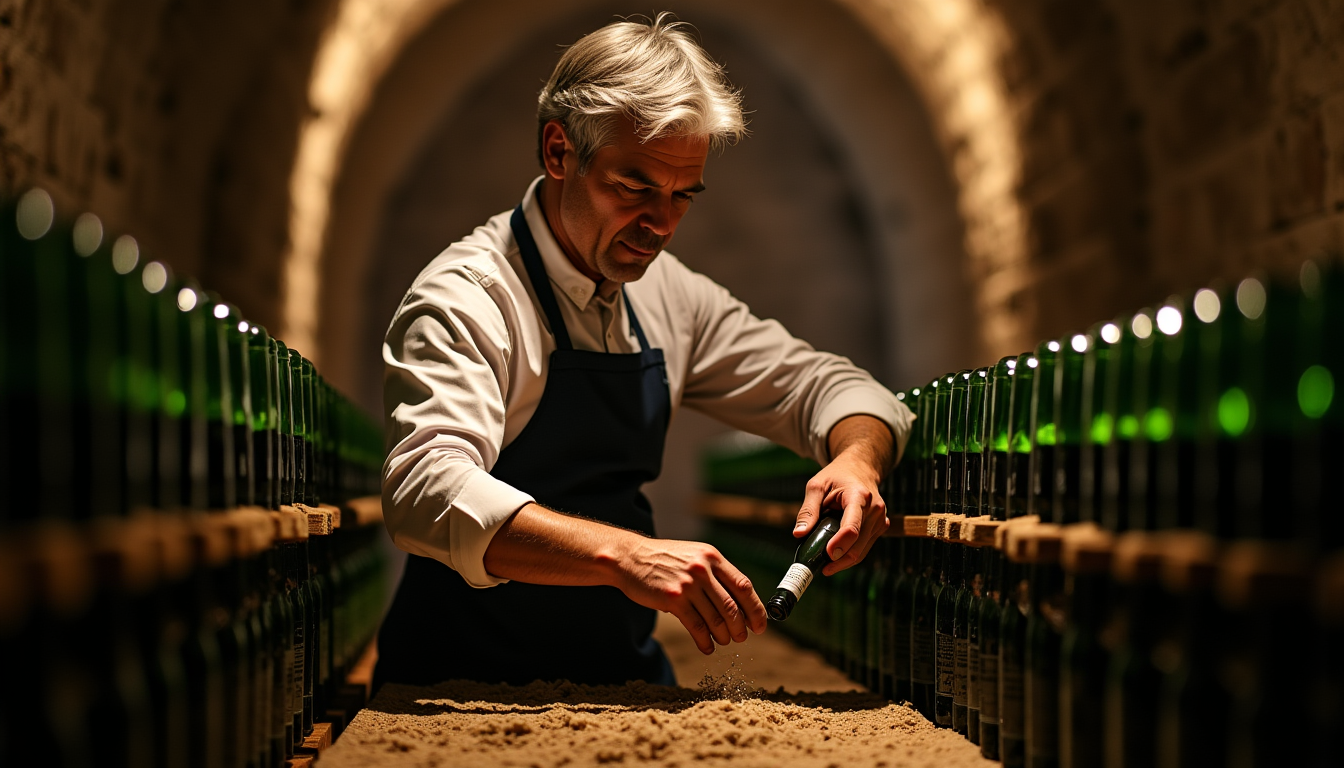
The blended wine is then bottled with a small amount of yeast and sugar, known as the “liqueur de tirage.” This initiates a secondary fermentation inside the bottle, producing carbon dioxide that dissolves into the wine, creating the bubbles. During this period, the wine also ages on its lees (spent yeast cells), a process that imparts rich, toasty, and brioche-like flavors, as well as a creamy texture. This aging can last for several years, depending on the style of Champagne.
Next comes “riddling” (remuage), where bottles are gradually rotated and tilted to collect the yeast sediment in the neck. Following this, “disgorgement” involves freezing the neck of the bottle and removing the frozen plug of sediment. Finally, a “liqueur de dosage” (a mixture of wine and sugar) is added before the bottle is corked, determining the wine’s sweetness level. This meticulous sequence of steps highlights the dedication required to produce each bottle.
Terroir: The soul of Champagne
The French concept of “terroir” is profoundly evident in Champagne, representing the unique environmental factors that influence the wine’s character. It encompasses the soil, climate, topography, and even traditional viticultural practices of the region.
“Champagne’s terroir is a symphony of chalky soils, a cool, marginal climate, and undulating hillsides, all working in concert to imbue the grapes with a singular freshness and minerality that cannot be replicated elsewhere.”
The distinctive chalk subsoil, formed from ancient marine deposits, plays a crucial role. It provides excellent drainage while retaining sufficient moisture for the vines, even during dry spells. This chalk also contributes a unique minerality to the grapes, which translates into the wine’s characteristic crispness and saline notes. The cool climate, with its delicate balance of sunshine and rainfall, ensures slow grape ripening, preserving the high acidity vital for sparkling wine production. These environmental factors, combined with centuries of human expertise, create a specific sense of place that is undeniably Champagne.
Diverse styles for every palate
Beyond the fundamental characteristics, Champagne offers a remarkable array of styles, catering to a wide spectrum of preferences. Exploring these variations is part of the pleasure of understanding this complex wine, as detailed insights can be found on specialist platforms such as winesbrand.com.
Blanc de blancs
Meaning “white from whites,” this Champagne is made exclusively from Chardonnay grapes. It is celebrated for its elegance, purity, and delicate aromas of white flowers, citrus, and sometimes green apple. Blanc de Blancs often showcases a vibrant acidity and a fine, persistent mousse, making it a favorite for apéritifs or lighter fare.
Blanc de noirs
Translating to “white from blacks,” this style is produced solely from black grapes—Pinot Noir, Pinot Meunier, or a blend of both. Blanc de Noirs typically offers a fuller body, richer texture, and more pronounced red fruit aromas, such as cherry and raspberry, often with notes of brioche or spices. It is a robust Champagne that can stand up to richer dishes.
Rosé champagne
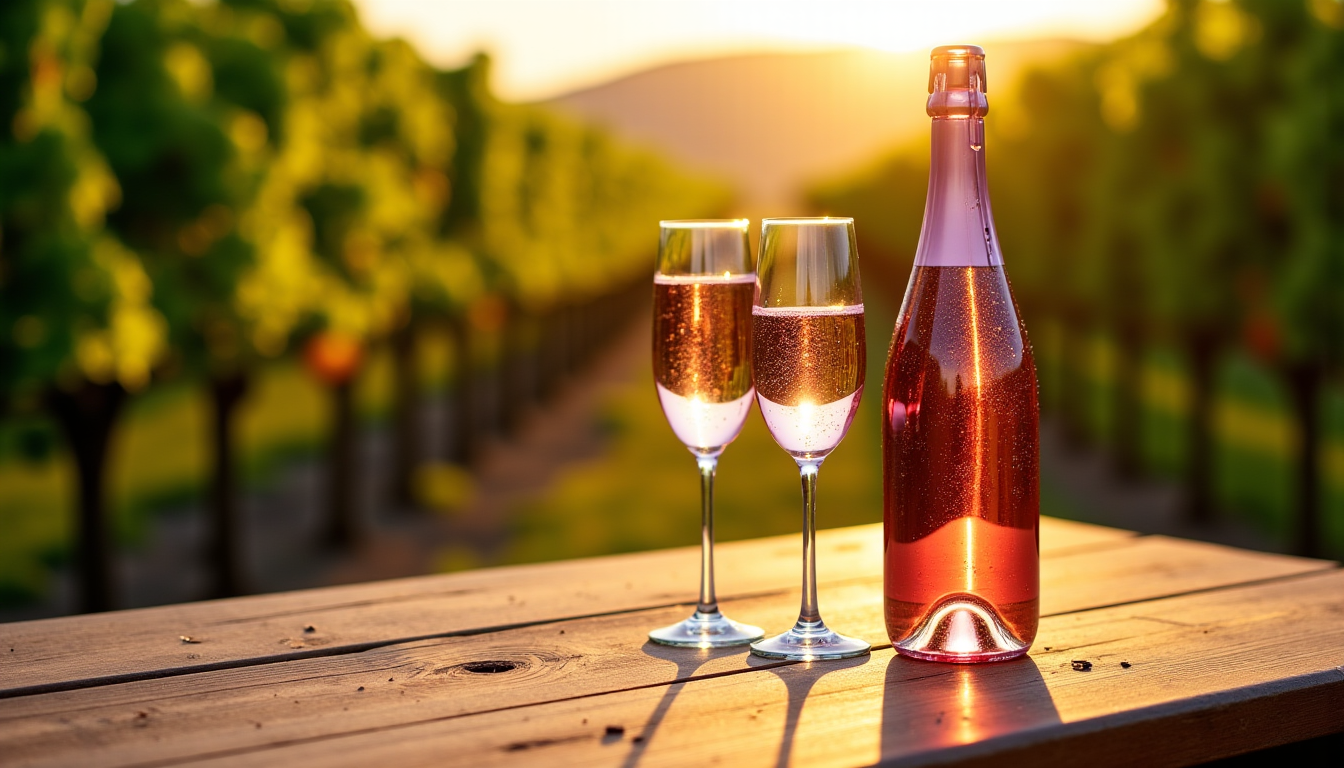
Rosé Champagne achieves its beautiful pink hue either by blending a small amount of still red wine (Pinot Noir or Pinot Meunier) with the white base wine before secondary fermentation, or through a short period of skin contact (maceration) with black grapes. It presents a delightful spectrum of red berry flavors, often with floral nuances, and can range from delicate and crisp to richer and more structured.
Brut, extra brut, demi-sec: Understanding dosage
The level of sweetness in Champagne is determined by the “dosage,” the amount of sugar added with the liqueur de dosage after disgorgement. This allows for various styles to suit different occasions and palates:
| Style | Sugar content (grams per liter) | Characteristics |
|---|---|---|
| Brut Nature / Zero Dosage | 0-3 | Bone dry, pure expression of the wine and terroir. |
| Extra Brut | 0-6 | Very dry, crisp, and refreshing. |
| Brut | 0-12 | The most common style, dry but with a hint of sweetness for balance. |
| Extra Dry / Extra Sec | 12-17 | Slightly sweeter than Brut, despite its name. |
| Sec | 17-32 | Medium-sweet, noticeable sweetness. |
| Demi-Sec | 32-50 | Sweet, often paired with desserts. |
| Doux | 50+ | Very sweet, a rare dessert wine. |
Vintage vs. non-vintage
Most Champagne produced is non-vintage (NV), meaning it is a blend of wines from different years. This allows producers to maintain a consistent house style year after year. Vintage Champagne, on the other hand, is made from grapes harvested in a single, exceptional year. It is only produced in the best harvests and must be aged for a minimum of three years on its lees, often much longer, resulting in wines of greater complexity, depth, and character. Deciding what is the best Champagne involves considering these various styles and personal preferences, a journey often aided by resources like whatisthebestchampagne.com.
Serving and appreciating Champagne
To fully appreciate the unique characteristics of Champagne, proper serving is key. The ideal serving temperature is crucial; generally, it should be chilled to between 8-10°C (46-50°F). Serving it too cold can mute its delicate aromas, while too warm can make it overly effervescent and less refined.
The choice of glassware also impacts the experience. While traditional flutes are popular for showcasing the bubbles, many connoisseurs now prefer tulip-shaped glasses. These wider bowls allow the aromas to gather and be expressed more fully, enhancing the wine’s aromatic complexity.
Champagne is incredibly versatile with food. Brut styles pair wonderfully with oysters, seafood, sushi, and even fried chicken. Blanc de Blancs can complement lighter appetizers and creamy cheeses, while Blanc de Noirs stands up well to poultry, mushroom dishes, or charcuterie. Sweeter Demi-Sec styles are a classic match for fruit tarts and desserts.
The prestige and enduring appeal of Champagne
Champagne’s status as a symbol of luxury and celebration is deeply ingrained in global culture. Its meticulous production, strict regional identity, and diverse expressions contribute to an enduring appeal that transcends trends. Each bottle represents a culmination of expertise, tradition, and the unique conditions of its origin.
The craft involved in every step, from vine to bottle, speaks to a dedication to quality that has been passed down through generations. This heritage, combined with the inherent joy and elegance it brings to any occasion, ensures Champagne’s continued prominence as a truly exceptional wine. It is more than just a drink; it is an experience, a toast to life’s moments, both grand and intimate.
Unlocking the depths of Champagne’s allure
In essence, Champagne’s unique characteristics stem from an intricate tapestry woven from its specific geographical location, the noble grape varieties cultivated there, and the unparalleled traditional method of production. These elements combine to create a sparkling wine that is not only effervescent but also rich in history, diversity, and flavor. From the crisp purity of a Blanc de Blancs to the robust character of a Blanc de Noirs, and the varying sweetness levels defined by dosage, there is a Champagne for every palate and every celebration.
Understanding these facets allows enthusiasts to move beyond simply enjoying a glass of bubbly to truly appreciating the artistry and dedication behind each bottle. Whether for a special occasion or simply to savor a moment, Champagne continues to offer a distinct and memorable experience, solidifying its place as a pinnacle of winemaking excellence.