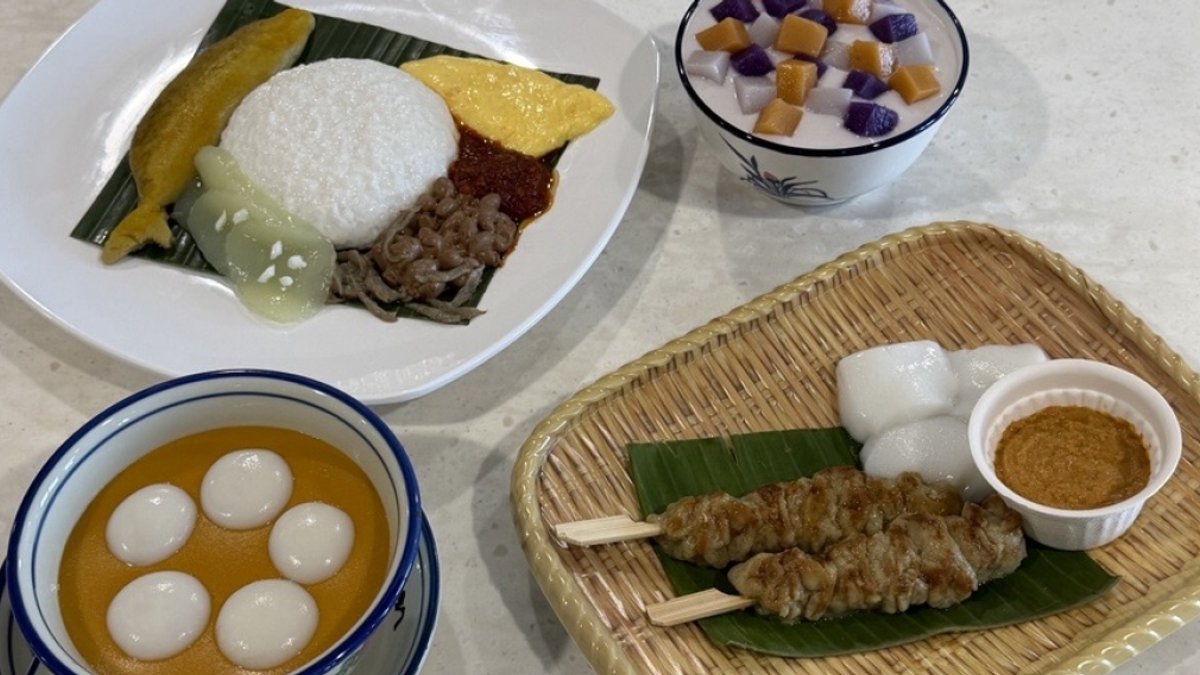
The DIGNIFIED research programme in Singapore is advancing food technology to assist older adults who experience challenges with chewing and swallowing, following insights gathered from a study involving more than 200 participants aged 60 and older. Organized by the Singapore Institute of Technology (SIT) in partnership with the Agency for Science, Technology and Research (A*STAR), the initiative unites food technologists, engineers, sensory scientists, a dietitian, and chefs to fill critical gaps in the development of texture-modified foods.
Researchers found that 82% of participants ranked taste as the most important factor when selecting meals. Most seniors, 68%, consume three main meals each day, while nearly half include a mid-meal snack. Although 63.5% understand protein’s importance for healthy aging, many cite difficulties in accessing or preparing these nutrients. Awareness of texture-modified foods remains low, with only 46.5% recognizing the term and just 16% having used them. Despite this, 79% would adopt such foods if recommended by a healthcare professional.
One of the programme’s key outcomes is MAKANsoft, a halal-certified food texturant developed specifically for senior-friendly applications. Produced in a halal-certified facility, it enables pureed meals to retain shapes resembling traditional dishes while complying with IDDSI Level 4 and Level 5 standards. The ingredient enhances taste retention, mouthfeel, and structural cohesion, addressing common shortcomings in existing texture-modified products.
SIT and A*STAR are now working with food manufacturers, food service providers, and healthcare institutions to bring these innovations to market. The collaboration aims to integrate the technology into both clinical settings and the broader food industry, ensuring accessibility for seniors across different environments.
Many texture-modified foods fail to meet nutritional standards while maintaining appeal. The DIGNIFIED programme’s emphasis on sensory science and practical development, particularly through MAKANsoft, could establish new benchmarks for producing senior-friendly meals. If industry adoption aligns with the research’s progress, the approach may also shape future guidelines for food systems designed for older adults.
Licensing agreements for MAKANsoft are already underway, with plans to expand production to meet demand in healthcare facilities and food service operations. The programme’s multidisciplinary team continues to explore additional applications, ensuring that technological advancements remain aligned with the needs of aging populations.


